Customer experience isn’t just about smiling associates and clean aisles anymore. Today your customers expect fast answers, personalized recommendations, and easy checkout moments across every channel.
The good news is you don’t need a massive team to deliver all of that. Modern CX automation makes it possible to scale your store’s sales without piling on overhead or adding new layers of complexity.
Below are a few practical automations that help retail teams reduce friction, increase conversion, and build the kind of loyalty that pays off month after month.

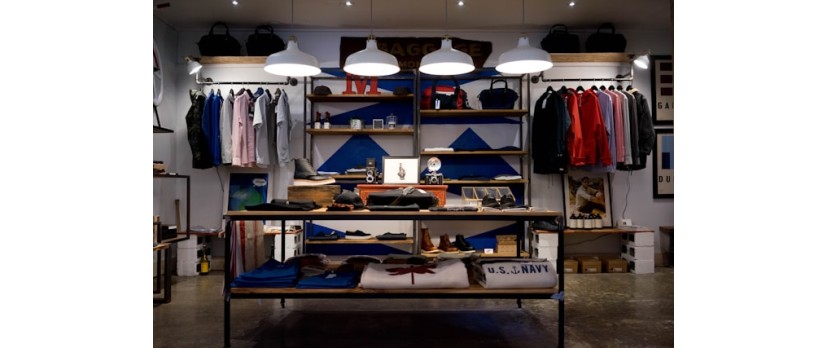
Image Source: Pexels
Automated product recommendations powered by AI
When a shopper is browsing, they want fast direction. AI-driven product suggestions can give them personalized options based on browsing behavior, past purchases, and store trends. Agentic AI is getting better at adapting in real time, which helps customers feel understood without talking to anyone.
This automation boosts average order value and reduces time-to-buy, especially for new customers who are still discovering your catalog.
Customer segmentation and targeted outreach
Automated segmentation lets you re engage customers based on what they buy, how often they shop, and what they’re browsing. Whether you want to reach VIP customers, dormant buyers, or new shoppers, segmentation tools automate the heavy lifting so your messages always stay relevant.
You also need the tech in place to act on this information. So for instance, using phone systems to reach out to the right prospects means having platforms in place that integrate easily with data derived from other tools. In this context comparing Quo (OpenPhone) and RingCentral is a way to understand which workflows support better segmentation and follow up.
Smart routing for customer inquiries
The faster customers get to the right person, the faster they buy. Smart routing sends questions to the right associate or team automatically, based on keywords, intent, or customer history. Automation is becoming a top investment priority, and routing is one of the easiest wins.
Here are three reasons it matters:
It cuts down response delays.
It reduces agent frustration.
It improves customer satisfaction when shoppers feel heard quickly.
Automated appointment scheduling
Whether you offer fitting sessions, design consultations, repairs, or curbside pickup, appointment scheduling tools eliminate the back-and-forth. Customers get instant confirmation and reminders so they’re less likely to no-show. Your team saves time, and your calendar fills more consistently.
Abandoned cart recovery messages
Retailers lose thousands of dollars each year to abandoned carts. Automating SMS or chat reminders that trigger when a shopper leaves without checking out can pull them back at exactly the right moment. These nudges feel natural when they’re personalized and helpful, not pushy, and combined with other tactics deliver real results.
Post purchase follow up flows
A simple automated message checking in after a sale makes customers feel cared for. It’s also an easy way to gather feedback or suggest complementary items. Research cited in a TechRadar report shows that brands investing in these micro interactions see major efficiency gains without adding work to store teams.
Automated inventory alerts for customers
If an item is out of stock today, a customer might walk away for good. But when they can sign up for restock alerts or low inventory notifications, you keep them engaged. These alerts bring shoppers back to your store on autopilot and increase the chances they’ll purchase before items sell out again.
In store pickup and curbside workflows
Streamlining pickup experiences isn’t just convenient. It’s a proven sales driver. Customers appreciate when they can place an order, choose a pickup window, and get notified the moment it’s ready. Systems that automate these steps lower friction and help employees stay focused on in person service.
Automated FAQs and self service chat
Shoppers don’t always need a human, especially for basic questions about hours, policies, return rules, or product details. Self service chatbots offer instant answers without making customers wait in line or on hold. Data from CX Today highlights how much customer expectations for instant support have grown, pushing retailers to automate these simple touchpoints.
Proactive support using predictive AI
This is where CX really starts to shine. Predictive tools can identify when a customer might need help before they ask. Whether someone is stuck on a checkout page, repeatedly viewing the same item, or experiencing friction in a return process, AI can step in with suggestions in real time. This shift toward proactive CX is one of the defining trends of 2025.
Automated personalization based on behavior
Some retailers go a step further by creating personalized landing pages or dynamic product displays that update as customers browse. An arXiv study found that generative AI personalization can boost online retail sales by over 16 percent, showing just how powerful tailored shopping can be.
Bringing it all together
Automation isn’t about replacing people. It’s about making sure every associate, every store, and every customer interaction becomes easier, faster, and more helpful. When your team has fewer repetitive tasks to juggle, they can focus on real service moments that turn casual shoppers into loyal fans.
Stores that adopt even a few of these CX automations often see early wins in customer satisfaction and operational efficiency. As more retailers move toward agentic AI tools, the gap widens between stores that adapt and stores that fall behind.
If you’re looking to scale store sales without overextending your team, start with the automation ideas above. Build gradually, test often, and choose tools that feel natural for both shoppers and staff. Your CX will get smoother, your team will stay focused, and your sales will benefit from the compounding gains.



Login and write down your comment.
Login my OpenCart Account