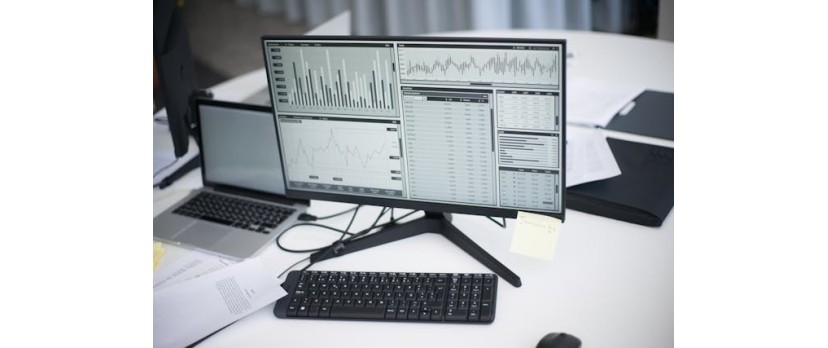
Analytics simplify the understanding of how people and teams perform in performance tracking systems. With clear data, organizations have a different way of tracking progress. With the right feedback, everyone can aim higher. It creates an opportunity that allows for better efficiency, leading to better decisions and outcomes.
Clarity Through Measurable Data
Analytics takes data and distills it into usable and understandable information. With detailed metrics, organizations can define their objectives and measure final results. Visual summaries make it easy to keep track of progress. Decision-makers know exactly where improvements are needed. Analytics tools for performance tracking eliminate guesswork and provide clarity via reliable evidence much like how solutions such as The QR Code Generator (TQRCG) provide trackable insights into user interactions and engagement.
Informed Decision-Making
Better information leads to better decisions. When combined, analytics provide managers with a holistic view of strengths and weaknesses. Patterns within the data flag where action is necessary. From there, teams can leverage this information to either modify strategies or offer aid. Decisions based on available information reduce risks, avoid errors, and reduce resource waste.
Continuous Improvement
Continuous employee feedback is necessary for improvement. Analytical functions in performance monitoring systems do not allow you to lose sight of the progress. Regular feedback helps teams to improve their processes.
Enhanced Accountability
When analytics are clear about performance, it promotes responsibility in teams. Individuals see how their contributions impact wider goals. Seeing transparent reporting may help lessen ambiguity. Everyone is driven by the sight of results. There is increased accountability, and overall performance improves. This, in turn, results in a commitment to your goals through a shared sense of ownership.
Identifying Trends and Patterns
An analytical approach uncovers trends that one would not notice otherwise. Organizations identify patterns in the form of common problems or successes by reviewing data from the past. Identifying trends allows for predictions of future outcomes. Teams can deal with problems before they expand further. Taking this approach from the outset means that things will run more effectively and efficiently in the long run.
Resource Optimization
Time is money, so it needs to be considered in all processes. Analytics identifies inefficiencies in the use of resources. Workloads can be distributed differently for improved efficiency on the manager's part. They prevent slowdowns by identifying bottlenecks. Better utilization of resources reduces costs and increases productivity. Teams can do more with less.
Employee Motivation and Engagement
Analytics-backed performance tracking is a great motivator for team members. People get direct feedback on their path and on their achievements. Recognition based on accurate data feels meaningful. This gives them a tangible outcome of their efforts. Employees who are engaged are both more creative and persistent.
Objective Evaluation
Subjectivity can sometimes cloud judgment. Such bias is mitigated to a great extent with analytics, which focuses on measuring outputs. Evaluation leads to building trust between managers and teams. This ensures that everyone gets judged under similar conditions as set by the standardized evaluation criteria. This consistency underpins a healthy workplace. Feedback helps individuals develop themselves as better people.
Goal Setting and Achievement
Accurate analytics makes it much easier to set targets. Benchmarks based on data make it clear what should be achieved. Real-time progress tracking means teams stay aligned toward their goals. Goals can be changed as conditions evolve. Teams are more comfortable moving towards specific and realistic goals. Hitting these milestones creates a snowball effect of continuing success.
Early Detection of Issues
Analytics have been integrated into performance tracking systems. benefit teams by identifying challenges early. Immediate alerts enable rapid response. Handling issues in the early stages avoided bigger problems. Swift action helps to ensure the workflow continues and keeps morale up. Organizations that respond quickly are more resilient against hardships.
Strategic Planning and Growth
Good planning is based on facts. Analytics provides the information you need to define future directions. It enables leaders to spot the possibilities to grow or improve. Evidence is key to long-term approaches being more successful. Informed, with metrics tracked attentively, growth becomes sustainable.
To Sum Up
There are tremendous benefits behind analytics in your performance tracking systems. Analytics facilitate progress through clarity and accountability, or motivation and efficiency. Consistent data powers better decisions, better teams, and long-term success. When organizations leverage analytics, they build a platform for sustainable success.



Login and write down your comment.
Login my OpenCart Account