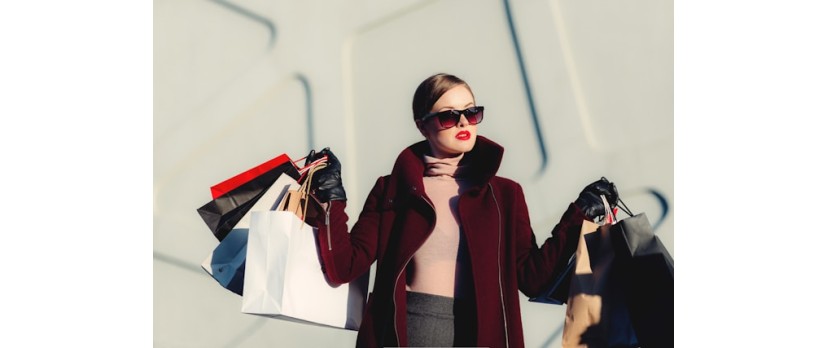
Fashion e-commerce sits at the intersection of creativity and technology. On one side, designers, brand strategists, and content creators shape identity and desirability. On the other hand, developers, performance marketers, and operations specialists ensure the experience is seamless, fast, and scalable. Building teams that successfully balance these two worlds is one of the biggest challenges and competitive advantages for modern fashion brands.
As sneaker and apparel brands grow online, success depends not just on great products, but on how well creative and technical teams collaborate.
Why Fashion E-Commerce Needs Both Creativity and Engineering
High-quality fashion brands rely heavily on storytelling, visuals, and design consistency. Product photography, branding, copy, and social presence all influence purchasing decisions. At the same time, customers expect flawless functionality—fast load times, smooth checkout, inventory accuracy, and reliable fulfillment.
Without strong technical execution, even the best designs struggle to convert. Without compelling creative direction, technically perfect stores fail to inspire.
“Strong brands are built when creativity is supported by systems that work flawlessly behind the scenes. That balance is what separates scalable e-commerce brands from short-lived hype.” Jake Smith, Managing Director at Absolute Reg.
Key Creative Roles in Fashion E-Commerce
Creative teams define how a brand looks and feels. In fashion e-commerce, these roles typically include:
Brand and visual designers
Product photographers and videographers
Copywriters and content strategists
Social and community managers
These professionals ensure consistency across product pages, campaigns, and customer touchpoints. Their work directly impacts brand perception, trust, and emotional connection with buyers.
Blending Craftsmanship With Digital Execution
Luxury fashion e-commerce demands teams that understand both physical craftsmanship and digital storytelling. Creative teams must translate material quality, weight, and finish into visuals and content that resonate online, while technical teams ensure performance, speed, and conversion aren’t compromised. The strongest fashion brands build cross-functional teams where designers, marketers, and developers collaborate early, ensuring product integrity carries through every digital touchpoint.
Abbas Lokhandwala, Founder & CEO of MCKER, explains, “Our creative and technical teams work side by side because jewelry is tactile, but e-commerce is experiential. Our designers focus on craftsmanship and detail, while our developers ensure that chains like our Cuban or Franco styles are presented with precision online. When those teams collaborate closely, customers feel the quality before they ever wear the product.”
Designing for Emotion While Engineering for Scale
Fashion e-commerce brands that grow quickly often struggle to balance emotional branding with technical scalability. Creative teams focus on storytelling, aesthetics, and connection, while technical teams ensure platforms can handle traffic spikes, personalization, and seamless checkout. The key is hiring leaders who understand both worlds and can translate creative intent into functional digital systems.
Kirstie Hall, CMO at Fursonafy, shares, “In fashion e-commerce, creativity sets the tone, but technology sustains growth. At Fursonafy, our creative team builds emotional narratives around pets and personalization, while our technical team ensures those experiences scale smoothly. Strong leadership bridges that gap so creativity never breaks under technical pressure.”
Collaboration Is the Real Competitive Advantage
The most successful fashion e-commerce brands don’t isolate creative and technical teams they integrate them. Designers collaborate with developers early. Marketers align with UX teams. Decisions are made with both aesthetics and performance in mind.
Regular cross-team communication helps prevent friction, reduce rework, and ensure campaigns launch smoothly and scale effectively.
Scaling Teams Without Losing Agility
As brands grow, hiring locally for every role becomes expensive and slow. Many fashion e-commerce businesses now rely on flexible hiring models and remote team solutions to access global creative and technical talent without sacrificing quality or speed.
Remote and hybrid teams enable brands to scale design, development, and marketing functions in parallel—especially during high-demand periods such as product drops or seasonal campaigns.
“Smart staffing is about flexibility. Brands that combine in-house leadership with specialized external talent tend to scale faster and more sustainably.” Alaya Hassan, Head of Marketing at Esteem Links.
Hiring Hybrid Talent That Understands Both Sides
Building modern fashion teams increasingly requires hybrid professionals who understand design thinking and digital infrastructure. Brands benefit from hiring creatives who can interpret analytics and technical specialists who appreciate branding and user experience. This reduces friction between departments and speeds up execution.
Karen Noryko, Career Content Director at Jobtrees.com, notes, “E-commerce employers are no longer hiring in silos. The most successful teams include creatives who understand digital workflows and technologists who value aesthetics and brand voice. Companies that prioritize hybrid skill sets build more resilient, future-ready teams.”
Aligning Teams With the Right Partners
Beyond internal teams, partnerships are playing an increasingly important role in the success of fashion e-commerce. Whether it’s sourcing, marketing, or specialized product niches, collaborations can accelerate growth when aligned with brand goals. For sneaker-focused brands, platforms like Repskiller demonstrate how niche positioning and operational clarity can support scalable online demand.
The key is alignment creative vision, technical execution, and operational support must all point in the same direction.
Aligning Brand Visibility With Operational Support
Creative and technical teams must also align with merchandising and promotional strategies. From branded packaging to digital campaigns, execution relies on tight coordination across departments. When teams are built with shared KPIs and clear ownership, brands avoid disconnects between marketing promises and delivery realities.
Kyle R Smith, Director of Boost Promotional Products, explains, “In e-commerce, creative concepts only work if the operational and technical teams can deliver on them. Whether it’s branded merchandise or promotional campaigns, alignment across teams ensures consistency. When creative vision and technical execution support each other, brand trust grows.”
The Technical Backbone That Powers Growth
Technical teams translate creativity into performance. Developers, UX specialists, data analysts, and performance marketers ensure that creative assets load quickly, display correctly, and convert efficiently across devices.
This includes:
Platform development and customization
Conversion rate optimization
Analytics and performance tracking
SEO and paid media infrastructure
“E-commerce growth stalls quickly when creative ambition outpaces operational and technical capacity. Teams need structure as much as vision.” Brett Gelfand, Managing Partner at Cannabiz Collects.
Building Systems That Support Fast Iteration
Fashion trends move quickly, and teams must be structured to respond just as fast. Agile technical systems paired with adaptable creative workflows allow brands to test, iterate, and launch new ideas without friction. This approach reduces burnout while increasing output quality.
Htet Aung Shine, Co-Founder of NextClinic, observes, “High-performing teams are built on systems that reduce friction. While our industry differs, the principle is the same when technology supports creative workflows instead of slowing them down, teams innovate faster and more sustainably. Fashion e-commerce teams benefit enormously from this mindset.”
Preserving Cultural Design Through Digital Teams
For fashion brands rooted in cultural heritage, creative and technical teams must work together to preserve authenticity while optimizing for modern e-commerce. Digital platforms should enhance, not dilute, traditional craftsmanship and design narratives.
Experts from Lashkaraa.com, saree specialists, explain, “Our creative teams focus on preserving the cultural significance of each saree, while our technical teams ensure that richness translates seamlessly online. Building teams that respect tradition while mastering digital execution allows us to scale globally without losing authenticity.”
Final Thoughts
Building creative and technical teams in fashion e-commerce isn’t about choosing between art and infrastructure it’s about integrating both. Brands that invest equally in design talent and technical excellence are better positioned to deliver standout experiences, scale efficiently, and compete in crowded markets.
In an industry driven by both emotion and execution, the strongest fashion e-commerce teams are those that understand a straightforward truth: creativity wins attention, but technology turns it into revenue.



Login and write down your comment.
Login my OpenCart Account