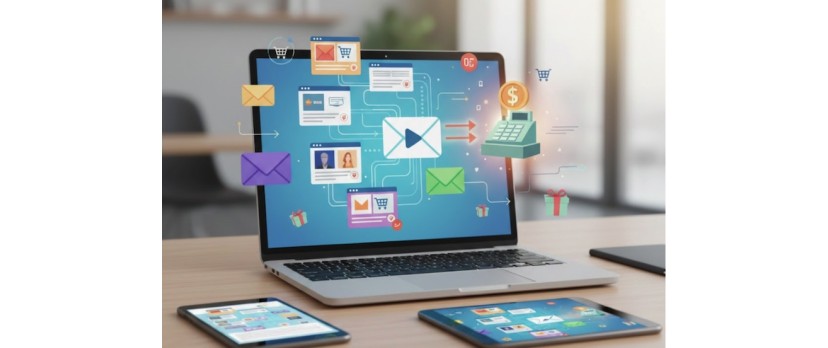
Email is one of the few growth channels ecommerce businesses can truly control, and when executed well, it consistently outperforms every other channel in ROI.
Email marketing advice is everywhere, and some can be dangerous when it comes from newsletter operators who don’t understand email or ecommerce. Driving product sales requires a fundamentally different approach than publishing content updates, yet that distinction is frequently ignored. Without aligning strategy to ecommerce-specific goals and constraints, even well-intentioned advice can quietly undermine performance.
Inactive Subscribers and List Management
One such area of conflicting advice is list management and sunset policy. Many so-called experts advise to have a sunset policy - a rule that subscribers must be removed after a certain period of inactivity, typically 3-4 months. Some list operators will boast their new engagement rates after they trimmed a list and removed inactives, based on advice they have read.
Higher engagement rates can most certainly improve your inboxing rates, due to higher aggregate engagement for your sender domain, that influences your sender reputation. However, any inactives permanently removed from a list cost a lost opportunity to make a sale. As studies show, subscribers can still purchase after being inactive for over a year, so those subscribers are still valuable. To convert this knowledge into action, you simply need to segment your audience into tiers of frequent shoppers, highly engaged, and inactives, and send less frequently to inactive subscribers.
Cost Factor and ROI for High Volume Senders
Another factor in list trimming is the cost of sending email. Email platforms with a focus on ecommerce, like Klaviyo and Sendlane, are costly, especially for large email lists. Often times, smaller online operators will send very few non-transactional emails, because they consider it cost-prohibitive. So trimming inactives from an email list is often seen as a cost-saving move.
One path that can offer a better ROI is using an email marketing platform that’s more cost effective, specifically for sending promotional emails. The difference in cost between platforms can be x3-5, depending on list size. Once cost is not a strong consideration, ecommerce stores can send more email overall, producing more sales and greater ROI for an email program.

If you manage an ecommerce store with a large audience, simply export your list and import it into an email marketing platform. To get the newest subscribers into your email marketing platform you can set up an integration between your ecommerce store and the email platform, using Zapier or Make integration platforms.
If you are an operator of a franchise or multi-location business, consider an ESP that supports sub-accounts and email template sharing, like BigMailer. A marketing agency managing email for ecommerce clients can white label an email marketing platform.
How Often Should You Send?
The answer is - it depends. Does your product have seasonality or can be promoted year around? Do you run promotions around holidays or special events (e.g. super bowl)? Outside promotions or in the off-season, you should send at least once a week, to simply stay top of mind and to avoid your sender domain getting cold.
During promotional periods and busy seasons you should be sending every day, and x2-3 times per day for major holiday pushes, like black friday and cyber monday, when inboxes get busy and you need to grab attention. However, as discussed earlier, the higher frequency of sending should be reserved for the most engaged segment of your list, to maintain strong engagement and inboxing. When in doubt about sending frequency, spy on your bigger competitors, by signing up for their emails. How often do they send?
Lastly, you should always personalize your emails as much as you can, to prevent your emails from going to Gmail Promotions tab. That’s where bulk email with identical content goes. Personalize everything - subject line, preview field, greeting, and even product recommendations.
Final Thoughts
Email remains the most reliable growth channel for ecommerce, but only when it’s approached with a solid strategy rather than generic best practices. Optimizing for engagement alone can leave revenue on the table, while optimizing purely for cost can limit scale. The most successful programs balance deliverability, list value, sending frequency, and platform economics - sending more when it matters most to those most likely to convert. When email strategy is aligned with ecommerce realities, it stops being just a communication channel and becomes a predictable, compounding revenue engine.


Login and write down your comment.
Login my OpenCart Account