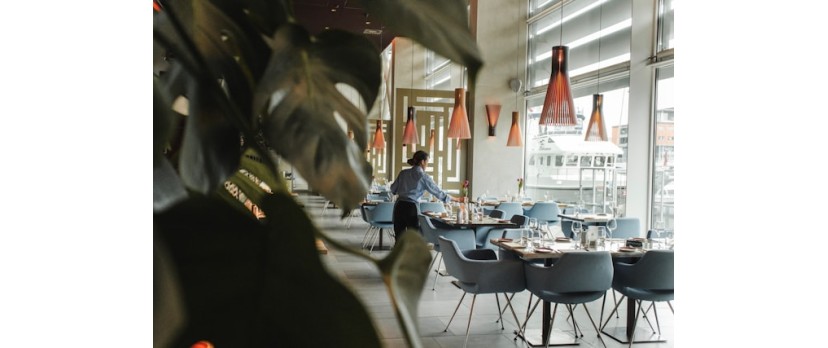
The hospitality sector is one of the most competitive industries in the world, and hotels have become experts at persuading guests, increasing average spend, and building loyalty. What many ecommerce businesses don’t realise is that these same tactics translate perfectly to online retail. By studying how hotels attract, convert, and delight guests, ecommerce stores can borrow proven strategies to increase sales and create more memorable customer experiences.
Personalisation as a Revenue Driver
Hotels have long understood the power of personalisation. From tailored room upgrade offers to special occasion perks, they create the sense that every stay is crafted specifically for the guest. This approach builds trust and encourages customers to spend more because the offer feels relevant and thoughtful.
Ecommerce brands can benefit by applying the same mindset. Personalised product recommendations, segmented discounts, and custom bundles based on browsing behaviour all help recreate the feeling of a tailored service. When customers feel understood, they convert at higher rates and develop stronger brand loyalty.
Turning Upgrades Into “Experience Enhancers”
In hospitality, upgrades are positioned as enhancements to the experience rather than simple add-ons. Guests are offered a better view, a more spacious room, or early check-in, not because hotels want to charge more, but because they want to elevate the stay.
Online stores can mirror this by reframing add-ons as experience upgrades. Premium shipping, protective packaging, extended warranties, or exclusive versions of a product all offer convenience or quality rather than just an extra fee. This subtle shift in positioning makes customers far more receptive to additional spending.
Smart Pricing Inspired by Hospitality Strategy
Hotels rarely rely on fixed pricing. Instead, they adjust rates based on demand, seasonality, and customer behaviour. These dynamic room pricing methods help hotels maximise occupancy and revenue without discounting unnecessarily. Supported by modern revenue management solutions, this approach ensures they charge the right price at the right time.
Ecommerce brands can adopt a similar strategy. Demand-based pricing during peak shopping periods, early-access offers, limited-time deals, and volume-based discounts all follow the same principles. When pricing adapts to customer intent and external conditions, revenue grows more naturally and sustainably.
The Power of Well-Timed Upsells
Hospitality excels at introducing upsells at the right moment, during booking, before arrival, or even mid-stay. These offers never feel intrusive because they align perfectly with what the guest might want next.
Ecommerce can lift this approach by structuring key upsell opportunities throughout the customer journey. One of the strongest moments to do this is at checkout, where customers are already committed to buying. Here’s where a short, strategic bullet-point section comes in:
Checkout Upsell Ideas Inspired by Hotels:
Offer complementary accessories or “complete the set” suggestions
Introduce upgraded or premium versions of the product selected
Provide gift-ready packaging or personalisation options
Add practical enhancements such as extended warranty or faster delivery
This targeted list mirrors the hospitality playbook: timely, relevant, and designed to improve the overall experience.
Creating Customer Loyalty Through Experience
Hotels thrive on return guests, and much of that loyalty comes from the emotional experience they create. Friendly check-ins, thoughtful touches, and consistent quality make guests feel valued and understood.
E-commerce stores can achieve the same effect by investing in memorable post-purchase experiences. Thoughtful packaging, easy returns, helpful follow-up emails, and loyalty rewards turn a simple transaction into a brand relationship. When customers enjoy the experience around the product, they are far more likely to return.
Data: The Hidden Engine Behind Both Industries
Behind the scenes, hospitality businesses rely heavily on data, from booking patterns and guest preferences to seasonality trends and competitive activity. This data shapes everything from pricing to promotions.
E-commerce owners have access to equally powerful insights. Analysing customer behaviour, tracking lifetime value, spotting purchase patterns, and testing variations in offers all help shape a more strategic, profitable sales approach. The more data-driven the decisions, the more consistent the growth.



Login and write down your comment.
Login my OpenCart Account