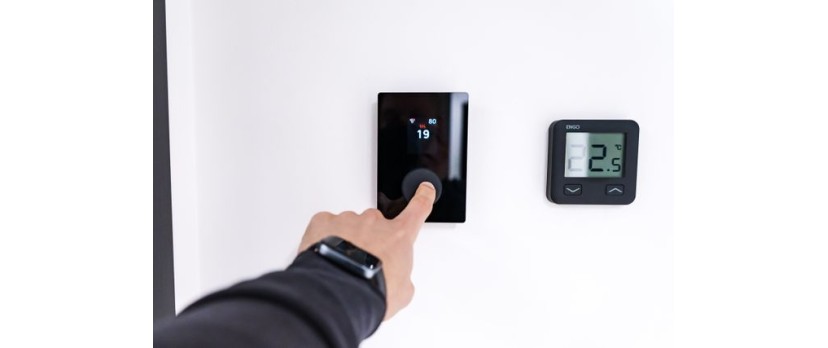
Ever walked into a shop that felt stuffy, humid, or freezing and immediately wanted to leave? Climate control is the system that manages temperature, humidity, ventilation, and airflow inside a building to keep it comfortable year-round.
In small retail stores and offices, those settings quietly shape how employees think, move, sell, and serve. Climate control goes beyond basic heating and cooling. It includes steady temperature management, balanced humidity, and proper ventilation.
When those elements work together, employees can focus on customers and tasks instead of their own discomfort.
Temperature Stability and Daily Output
Small temperature swings can have a measurable impact on work performance. Research published on ScienceDirect found that perceived productivity dropped by 0.176 units for every 1 Kelvin increase in workplace temperature.
Even a subtle rise across the day can gradually reduce output.
In a small office, that dip might mean slower emails, delayed invoicing, or more frequent breaks. And in retail, staff working in overheated spaces often move less efficiently and engage less enthusiastically with customers.
Steady indoor temperatures support consistent mental energy. When employees are not fighting hot and cold spots, they can stay focused from opening to closing.
Humidity Levels and Indoor Environmental Quality
Humidity shapes how comfortable a room actually feels. And indoor environmental quality, especially thermal comfort, directly affects occupant productivity.
Air that is too humid can feel heavy and draining. Air that is too dry may contribute to irritation and discomfort, which distracts employees from detailed tasks.
Balanced humidity supports clearer thinking and fewer complaints about the indoor environment. Customers also tend to linger longer in spaces that feel fresh instead of muggy.
Indoor Air Quality and Employee Focus
Air quality is closely tied to overall environmental comfort. Ventilation, filtration, and airflow all contribute to how alert people feel inside a space.
In small retail stores, crowded periods can quickly lead to stale air if ventilation is limited. Employees may experience mid-afternoon fatigue that slows down service and checkout speed.
Improving airflow and filtration often leads to noticeable differences, including:
Fewer complaints about stuffiness
More consistent afternoon energy
A more comfortable shopping experience
Cleaner air helps staff stay mentally present and responsive during busy shifts.
Consistent Comfort Across Multiple Rooms
Many small businesses operate in divided layouts. A retail store may have a customer-facing sales floor and a back storage area, while an office may include meeting rooms, private offices, and collaborative workspaces. When these areas share a single temperature setting, employees often experience hot and cold spots that reduce comfort and productivity.
Over time, constant thermostat adjustments and uneven heating or cooling can create distractions, employee complaints, and higher energy costs. Traditional HVAC systems may also struggle to provide consistent comfort across spaces with different usage patterns.
In these situations, a Ductless AC for Two Rooms solution can help businesses maintain different temperatures in separate workspaces while improving energy efficiency and overall workplace comfort. Dual-zone ductless mini-split systems allow each room to maintain its own preferred temperature without requiring traditional ductwork.
Room-specific control reduces distractions and helps keep every part of the workspace comfortable and productive throughout the year.
Reduced Distractions and Workplace Friction
Temperature disagreements are more common than many managers expect. One employee reaches for a space heater while another opens a window, and productivity takes a back seat.
In small teams, discomfort spreads quickly. When one person struggles with the indoor environment, morale can shift across the entire staff.
Stable climate control reduces those friction points. Fewer interruptions and fewer complaints mean more attention directed toward customer service, organization, and revenue-generating tasks.
Seasonal Changes and Employee Adaptability
Weather swings throughout the year can quietly disrupt productivity in small retail stores and offices. Sudden temperature shifts between seasons often catch systems off guard, leaving employees adjusting to uncomfortable conditions for days or even weeks.
During transitional months, inconsistent heating or cooling can affect punctuality, dress code comfort, and even morale. Staff who arrive prepared for one temperature but work in another spend mental energy adapting instead of focusing on customers or deadlines.
Reliable climate control helps teams adjust smoothly between summer heat and winter cold. A predictable indoor environment allows employees to settle into routines without seasonal discomfort interfering with performance.
For retail stores, seasonal comfort also affects customer behavior. Shoppers are more likely to browse longer during extreme weather if the indoor environment feels stable and welcoming.
Equipment Reliability and Workflow Continuity
Climate control does more than support people. It also protects equipment that small businesses rely on every day.
Computers, payment systems, printers, and networking hardware all perform best within specific temperature ranges. Overheated spaces can cause systems to slow down, glitch, or shut off unexpectedly, interrupting workflow at critical moments.
In retail settings, point-of-sale disruptions during peak hours create long lines and frustrated customers. In offices, overheated hardware can delay file processing, data transfers, or video meetings.
Stable indoor conditions help reduce strain on electronics and minimize unplanned downtime. Fewer interruptions mean smoother operations and less stress for employees who depend on reliable technology to complete their work.
Maintaining consistent climate conditions supports both human productivity and the tools that make modern business possible.
Making Climate Control Part of Your Productivity Strategy
Climate control influences how employees think, interact, and perform every single day. Stable temperatures, balanced humidity, and clean air create an environment where teams can operate at their best.
Small retail stores and offices that treat climate control as a strategic investment often notice smoother operations and stronger daily output.
Has this article been useful? If so, explore some of our other related posts!



Login and write down your comment.
Login my OpenCart Account