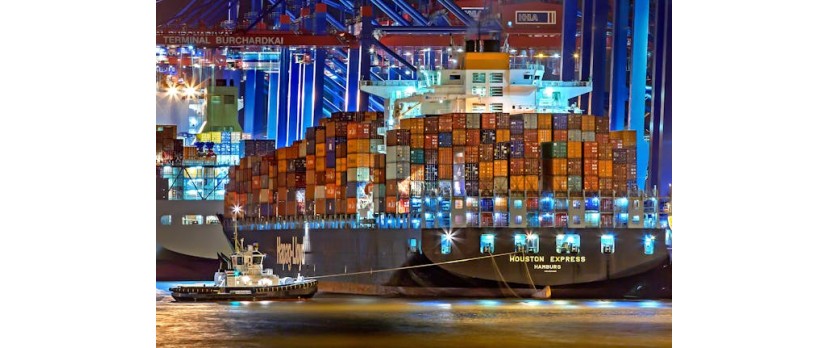
Freight operates on fuel, and e-commerce operates on data. Each click, delay, return, and delivery window produces signals. When such signals are properly read, then cost is reduced and waste begins to vanish. This is not a theory. It is occurring daily on intelligent supply chains.
Here’s the thing. The guessing normally adds to freight loss and warehouse wastage. Guessing demand. Guessing space. Guessing timing. Statistics substitute speculation with certainty. This actually implies movement, storage, and fewer costly errors throughout the whole logistics process.
Turning Customer Behavior Into Predictable Freight Decisions
Behavior is collected in large quantities through e-commerce platforms. Browsing patterns. Cart abandonment. Seasonal spikes. Repeat purchase cycles. All these contribute to the demand forecasting models that directly influence the freight planning.
Shipments are purposeful when the demand is predictable. Companies prevent overbooking trucks and loading emergency orders hastily. Premiums are not last-minute, but rather it is planned freight. That is all that swiftly reduces transport costs.
This also enhances the inventory staging process. Goods are transported nearer to the places of demand rather than being kept idle. When done right, combining with an efficient warehousing and storage service, companies minimize the accentuating handling and preventable transfers. Storage is activated and not passive. Such a shift alone eliminates layers of waste that are usually not noticed.

Inventory Visibility That Stops Over-Shipping and Under-Stocking
Inventory information in real-time is everything. The stock quantities are automatically updated in real time within the sales channels, the fulfillment center, and the suppliers. There is no lag. No blind spots.
This can avoid one of the costliest logistical issues. Moving inventory that has already been moved to another place. Visibility Data-driven decreases the movement of freight, which is not value adding. Not when responding to old figures.
Concurrently, it prevents stockouts. Before the shelves become empty, the products are replenished, and not after the orders are lost. Freight schedules remain equal. Storage stays lean. Expired inventory or obsolete inventory wastage goes down drastically since goods are in transit.
Smart Demand Forecasting Through Layered Data Models
Demand never stays the same. It shifts with seasons, trends, and how people actually buy. Relying on one data source can throw planning off. Layered data models pull information from different places to fill the gaps. This makes forecasting feel more grounded and easier to trust.
Historical Sales Patterns as a Baseline
Sales history shows rhythm. Weekly peaks. Seasonal surges. Long-tail demand. Such trends are the basis of freight planning. They assist in the determination of the frequency and volume of shipment without using a gut instinct.
Real-Time Market Signals That Adjust Forecasts
Predictions are made more accurate with live data. Promotions. Weather events. Viral trends. All these have the potential to peak demand at night. The systems adapt the freight requirements in real time, preventing excess and deficit.
Machine Learning that Works better
Forecasting models learn. Every delivery, every turnaround, and every delay enhances accuracy. Freight planning is more rigid over time. Storage shrinks. Waste loses room to hide.
Reducing Storage Waste Through Smarter Stock Placement
It is not desirable to have everything in one place. Statistics recognize the sales point of the products and where they remain. The latter piece of knowledge transforms storage policies.
The positioning of fast movers is nearer to the customers. Slow movers are either phased away or stored in less expensive areas. This saves on unnecessary handling and holding costs.
It is frequent that storage waste is forgotten inventory. Data eliminates forgetting. All units are monitored, measured, and assessed. Goods are either transported or displaced. The discipline makes storage cost-effective and lucrative.
Optimizing Freight Routes With Performance Analytics
It is no longer the issue of the optimization of routes using maps. It is about performance data. Delivery times. Fuel usage. Traffic patterns. Carrier reliability.
This is analyzed by e-commerce systems. Poor routes are dropped. Carriers with high performance receive priority. Consolidation of loads is done in a smart way rather than their inefficient distribution.
This minimizes empty miles and wastage of fuel. It also reduces carbon influence, which is becoming more important to the regulators as well as to the customers. Data takes charge of freight, making it cleaner, cheaper, and more predictable.

Returns Data That Prevents Reverse Logistics Losses
Returns are expensive. They are retrograde freight and storage blockages. But the data on returns show that there are patterns that can be corrected at the upstream.
Misleading product descriptions. Packaging that fails. Sizes that confuse buyers. These problems are identified by data. After correction, the volumes decrease.
Fewer returns will result in fewer reverse shipments. Storage space is freed. Handling costs drop. Data transforms returns of a cost center into a feedback system that reinforces the whole supply chain.
Conclusion
The data of e-commerce is not simply related to the growth of sales. It is concerning business discipline. When applied properly, it transforms the way freight is made and purges storage waste at all tiers.
This is simply a matter of control. Control over timing. Control over space. Control over movement. Information empowers logistics departments to do what is right at the right time rather than at the end of the day. The outcome is a leaner freight, a smarter storage, and a precision instead of pressure supply chain.



Login and write down your comment.
Login my OpenCart Account