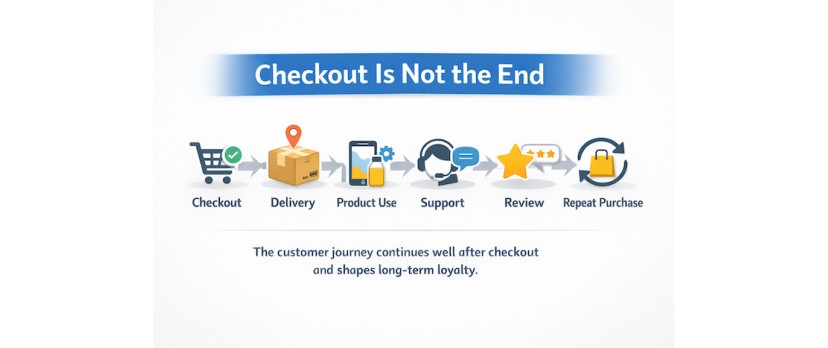
For many e-commerce businesses, success is measured at checkout. But in reality, the customer journey doesn’t end once an order is placed. What happens after delivery often determines whether a customer returns, leaves a review, or requests a refund.
As online stores mature, more merchants are focusing on the post-purchase phase. Clear communication, easy access to information, and frictionless support have become just as important as product selection or pricing. One increasingly common tool in this phase is the QR code.
Not the static, one-purpose codes of the past, but dynamic QR codes that connect physical products to useful digital content.
Why the post-purchase phase matters more than ever
E-commerce has lowered the barrier to switching brands. Customers compare options easily, expect fast answers, and rarely hesitate to abandon a store that creates friction.
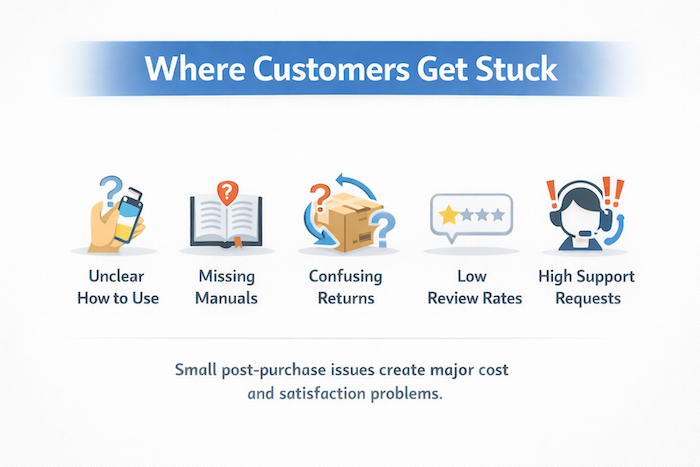
Common post-purchase challenges include:
Customers not knowing how to use a product
Missing or outdated printed manuals
Confusing return instructions
Low response rates for reviews
High support workload for simple questions
Each of these issues increases costs and reduces customer satisfaction. The post-purchase experience has become a key differentiator, especially for small and mid-sized online stores.
QR codes as a bridge between physical and digital
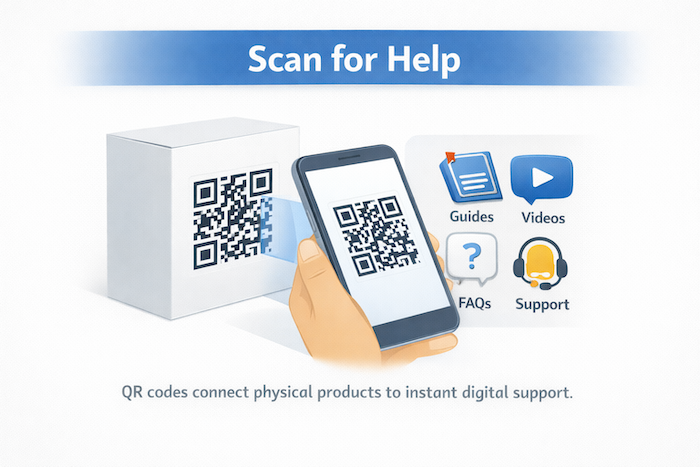
QR codes offer a simple way to connect a physical product or package with digital resources. When used correctly, they reduce confusion and give customers instant access to the information they need.
Typical post-purchase QR code placements include:
Product packaging
Instruction leaflets
Warranty cards
Invoices or packing slips
A QR scanner allows customers to instantly access guides, videos, FAQs, or support pages with a single scan, eliminating the need to search manually and improving the overall user experience.
Practical e-commerce use cases
1. Digital product manuals instead of printed instructions
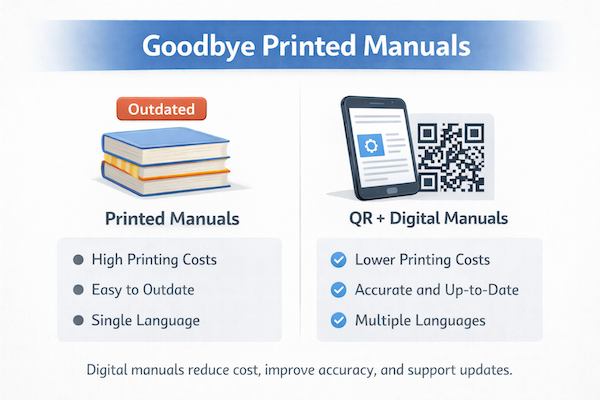
Printed manuals increase costs and quickly become outdated. QR codes allow merchants to replace or supplement manuals with digital versions that can be updated over time.
Many stores now link QR codes to PDF manuals or instruction hubs, similar to how a PDF-based QR solution can centralise documentation for multiple product versions without reprinting.
This approach:
Reduces printing costs
Prevents outdated instructions
Supports multiple languages
Improves accessibility on mobile devices
It aligns well with sustainable packaging trends highlighted by organisations such as the Ellen MacArthur Foundation.
2. Easier returns and self-service support
Returns are one of the most expensive parts of e-commerce operations. Confusing or unclear return processes increase support tickets and customer frustration.
QR codes on invoices or packaging can link directly to:
Return portals
Step-by-step return instructions
Shipping label generation
FAQs about refunds and exchanges
By directing customers to self-service options, merchants reduce workload while improving clarity.
Research published by Baymard Institute consistently shows that clear post-purchase communication lowers return-related complaints.
3. Review collection at the right moment
The best moment to ask for a review is after the product has been used not immediately after checkout.
QR codes inside the packaging can lead customers to:
Review pages
Feedback forms
Short surveys
Because the request happens after physical interaction with the product, response rates are often higher than follow-up emails.
4. Cross-sell and follow-up content without pushy messaging
Rather than sending promotional emails, some stores use QR codes to gently offer:
Care instructions that reference compatible products
Usage tips with related accessories
Optional subscriptions or refills
This keeps follow-up content contextual and useful instead of intrusive.
Why dynamic QR codes matter in e-commerce
Static QR codes always point to the same destination. If a link changes, the code becomes useless.
Dynamic QR codes solve this by separating the printed code from its destination. Merchants can update content without changing packaging or printed materials.
Benefits include:
Central content management
A/B testing different post-purchase resources
Seasonal or regional adjustments
Fewer broken links over time
Platforms offering flexible QR management, such as Trueqrcode’s multi-link QR capability, are often used to combine manuals, support and feedback links into one mobile-friendly landing page:
In many e-commerce operations, product identification still starts with standardized identifiers such as EAN or GTIN codes, which remain essential for inventory management, marketplaces and logistics. These identifiers form the foundation on which more advanced product-level experiences such as QR-based access to manuals, returns and support can be built.
For e-commerce and direct-to-consumer brands aiming to go beyond basic QR redirects, emerging standards like the GS1 Digital Link extend the power of QR codes by connecting products with rich data sources and structured web-ready identifiers. This approach helps unify product metadata, inventory, traceability and customer interactions at the point of scan, making the post-purchase experience even more seamless and informative. For examples of how these modern QR implementations are used in practice, explore case scenarios specific to e-commerce workflows.
Keeping QR code usage effective (and user-friendly)
QR codes only work when they are used thoughtfully. Best practices include:
Clear labels (“Scan for instructions” instead of just a QR icon)
Mobile-optimised content
Avoiding too many QR codes per package
Linking only to relevant, helpful information
The goal is not to impress customers with technology, but to remove small friction points from their experience.
A better post-purchase experience without complex systems
E-commerce platforms like OpenCart already provide strong checkout and order management features. QR codes complement these systems by extending communication beyond the screen and into the physical product experience.
They do not replace customer support, email automation, or help desks. Instead, they reduce unnecessary interactions and help customers help themselves.
Conclusion
In modern e-commerce, the sale is only the beginning. Customers judge brands by how easy they are to deal with after delivery when questions arise, instructions are needed, or returns are requested.
QR codes provide a lightweight, cost-effective way to improve this phase of the journey. When used to share manuals, simplify returns, and collect feedback, they enhance clarity without adding technical complexity.
For merchants focused on long-term retention rather than short-term conversion, improving the post-purchase experience is no longer optional. It’s a competitive advantage.



Login and write down your comment.
Login my OpenCart Account