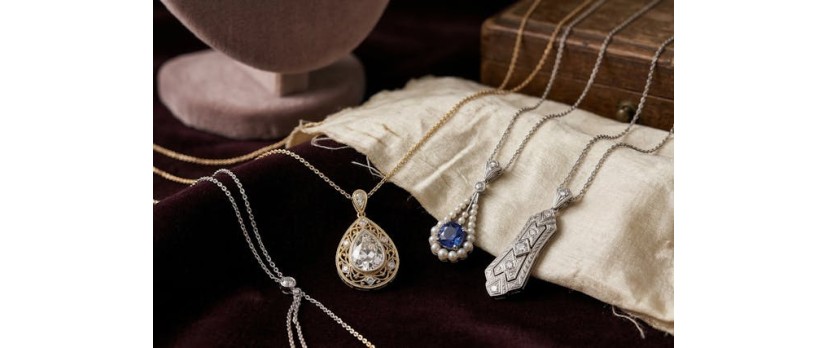
The jewelry e-commerce landscape has evolved significantly over the past few years. What once relied heavily on simple product listings has transformed into a highly immersive, brand-driven experience. Today’s consumers expect more than just a product they want authenticity, visual appeal, and a seamless journey from discovery to purchase.
As competition grows, modern online jewelry stores are adopting new strategies to stand out. From strong branding to personalization and data-driven marketing, these trends are redefining how jewelry is presented and sold online.
Emphasis on Strong Brand Identity
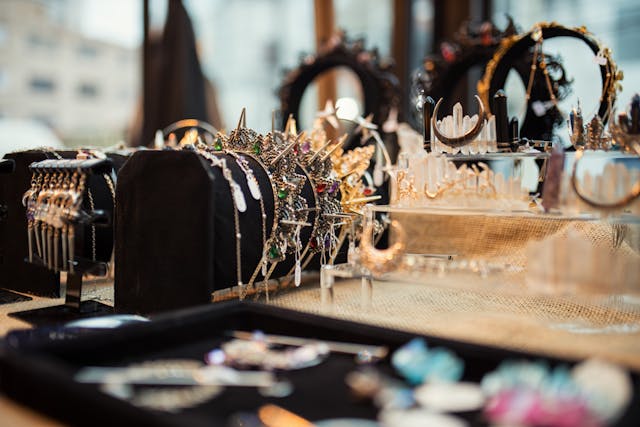
One of the most noticeable shifts in jewelry ecommerce is the focus on branding. Modern stores are no longer just selling accessories they are building identities that resonate with their audience.
Successful brands create a consistent visual language, tone, and message across their website and marketing channels. This helps customers form an emotional connection, which is especially important in jewelry, where purchases often carry personal meaning.
Drunk Angel demonstrates how a clear aesthetic and distinct identity can elevate an online store. By blending bold design choices with a cohesive visual narrative, the brand creates a curated shopping experience that feels intentional and engaging.
What sets such platforms apart is the way product presentation aligns with storytelling. From curated collections to lifestyle-driven imagery, every element works together to build recognition and trust. This consistency makes it easier for customers to connect with the brand and remember it in a competitive marketplace.
Additionally, when visual identity, messaging, and user experience are aligned across all touchpoints as seen with Drunk Angel it enhances credibility and encourages repeat engagement, supporting long-term growth.
Visual Storytelling and Premium Presentation
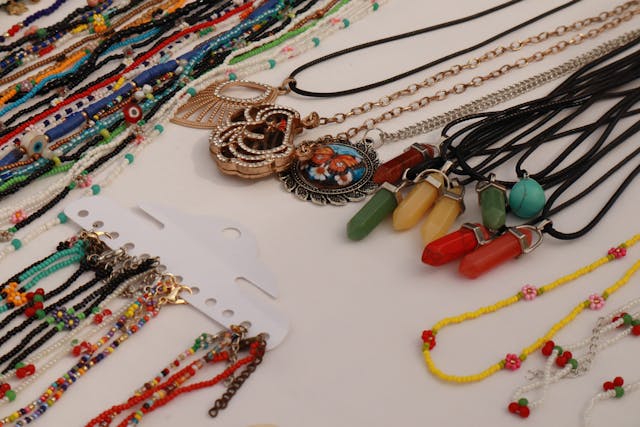
Today’s jewelry buyers expect more than static product images. Modern e-commerce stores are investing heavily in high-quality visuals, including lifestyle photography, close-up detailing, and video content. Visual storytelling allows customers better to understand the craftsmanship and design behind each piece. It also helps bridge the gap between online browsing and the in-store experience.
Premium presentation is not just about aesthetics it directly impacts purchasing decisions. When products are showcased effectively, customers feel more confident in their choices, which leads to higher conversion rates.
Personalization and Customization
Personalization has become a key driver of engagement in jewelry ecommerce. Customers are increasingly looking for pieces that feel unique and tailored to their preferences.
Modern stores are offering features such as custom engravings, adjustable designs, and personalized recommendations based on browsing behavior. These options enhance the shopping experience and increase the perceived value of each product.
Beyond products, personalization also extends to communication. Email campaigns, product suggestions, and targeted offers are now designed to match individual customer preferences, creating a more relevant and engaging experience.
Mobile-First and Seamless User Experience
With most online shopping now happening on mobile devices, jewelry ecommerce stores are prioritizing mobile-first design. This includes fast-loading pages, intuitive navigation, and simplified checkout processes.
A seamless user experience is essential for reducing friction and preventing cart abandonment. Customers expect to move effortlessly from browsing to purchasing, regardless of the device they are using. Modern stores focus on clarity and simplicity, ensuring that product information, pricing, and calls to action are easy to find and understand.
Social Proof and Trust Building
Trust plays a crucial role in jewelry ecommerce, especially for higher-value purchases. Customers want reassurance that they are buying from a credible and reliable source. To build trust, modern stores prominently display customer reviews, testimonials, and user-generated content. Seeing real people interact with products helps potential buyers feel more confident in their decisions.
Transparency in pricing, return policies, and product details also helps build trust, making customers more comfortable completing their purchases.
Integration of Social Commerce
Social media platforms have become powerful sales channels for jewelry brands. Instead of just promoting products, businesses are now using these platforms to create interactive shopping experiences. Shoppable posts, influencer collaborations, and live product showcases allow brands to engage with their audience in real time. These strategies not only increase visibility but also drive direct conversions. Social commerce also supports storytelling, enabling brands to present their products in authentic and relatable ways.
Data-Driven Marketing and Retargeting
Modern jewelry e-commerce stores rely heavily on data to optimize their strategies. Analytics tools provide valuable insights into customer behavior, helping businesses understand what drives engagement and sales.
Retargeting campaigns, for example, allow brands to reconnect with visitors who did not complete a purchase. By showing relevant ads based on browsing history, businesses can bring potential customers back and increase conversions. Data-driven decision-making ensures that marketing efforts are efficient, targeted, and continuously improving.
Conclusion
Jewelry ecommerce is no longer just about listing products online it’s about creating meaningful experiences that resonate with modern consumers. From strong branding and visual storytelling to personalization and data-driven strategies, today’s successful stores are doing things differently.
By focusing on consistency, user experience, and customer engagement, brands can build lasting relationships and stand out in a competitive market. As trends continue to evolve, businesses that adapt and innovate will be best positioned for long-term success.



Login and write down your comment.
Login my OpenCart Account