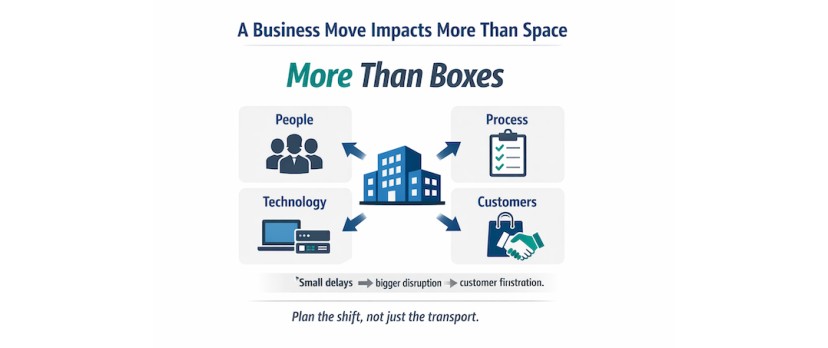
Moving a company goes beyond moving furniture or supplies. Shifting a business means rearranging how things work, who does what, the technology setup, and who buys products. Still, plenty of organizations act like relocation means only spending less, instead of thinking it through.
Thinking that way is too dangerous.
When a company tries something new but messes it up, chaos sticks around even when the last shipment vanishes. Get it together, though - things stay smooth, and progress keeps rolling, undisturbed.
The Real Stakes of a Business Move
Pressure shows up every time a move happens. Tight schedules keep everything moving fast. Workers stay focused elsewhere. Service must remain steady for the clients, no matter what. Even when the workplace moves, money keeps moving too.
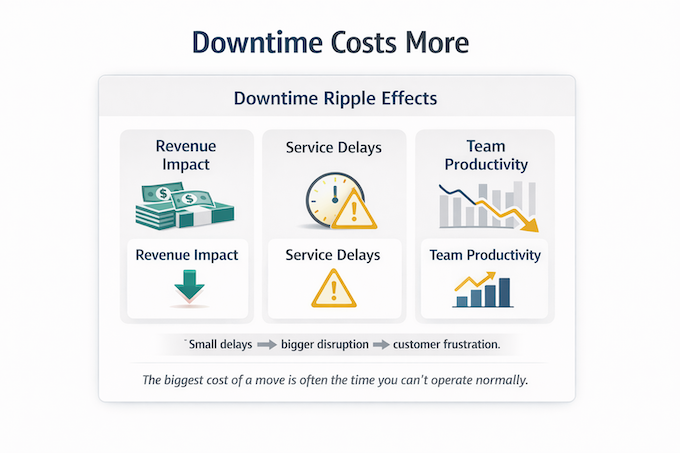
Most leaders think moving involves planning steps. The truth is, shifting operations has real financial impacts. Time halted, messages mixed, things slowed, and these ripples far beyond expectation.
That’s why how you travel counts just as much as going there at all.
Why Outsourcing the Move Is a Strategic Choice
Leaders often rely on others to handle specific jobs. Businesses make thoughtful choices by bringing in outside help for duties that do not fit their primary purpose.
Moving ranks among life's less glamorous chores, which is why partnering with a long-distance moving company can turn a logistical burden into a managed transition.
When leaders hand control to experts, they keep an eye on customers, expansion, and choices. The relocation slips into a broader shift, one tied to scaling up, reshaping teams, or refreshing identity.
Even as everything shifts, progress keeps moving forward. Movement does not stop activity. Things actually gain momentum.
The Hidden Costs of “Doing It Yourself”
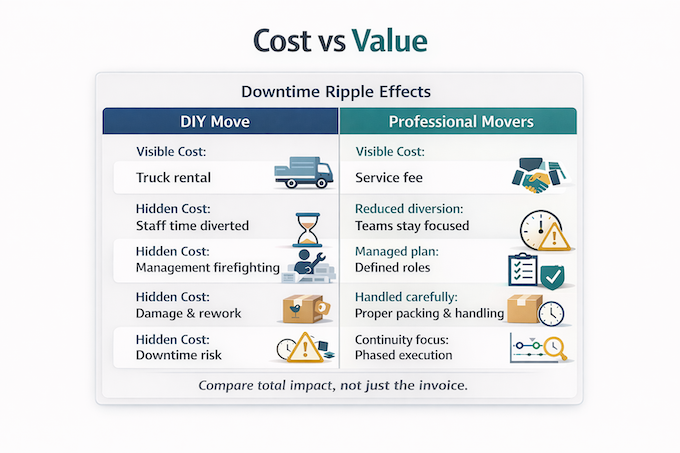
Looking closely, moving things inside might feel smooth. Staff are already on board. Renting trucks becomes an option. Scheduling fits happen naturally. Paperwork says it costs less.
In real life, those expenses show up in different places.
Workers who were shifted to sorting and logistics stopped performing their regular roles. Hours vanish as managers fix issues that should never happen. Focus slips early, lingers late, since rebuilding momentum proves challenging.
That said, issues pop up too, broken gear, missing stuff, or messing with tech wrong—these slow things down. Delays spread fast across departments. Most plans ignore these costs at first. Yet they hit hard anyway.
Business Continuity Comes First
Most firms face a greater threat than the cost of moving. What really shakes things? Downtime.
When it comes to moving companies, thinking ahead about steady operations shapes their approach. Timing is carefully mapped out, step by step. Work shifts around key tasks, not just logistics. What drives them? Keeping things running nonstop during the changeover.
Not a messy rush everywhere at once. Control takes over where chaos once ruled. Main sections keep working without delays. Critical infrastructure moves up the list of concerns. Even now, the company moves forward.
That link isn’t happenstance. It comes from learning over time, then shaping actions around those lessons.
Managing Risk, Not Just Furniture
Things companies own aren’t just things you can touch. Think about information, systems, and staff too.
Moving pros handle delicate gear, servers, and specialized equipment without a hitch.
Something fragile? They move it piece by piece, making sure risks aren’t ignored. Coverage matters; so does who answers when something goes wrong.
People play a role here, too. When moves are handled carefully, workers avoid harm and stay healthier, with a lower chance of getting hurt. Fewer errors slip through. Calmer moods come with smoother transitions.
Getting ready matters more than just watching out.
Speed, Efficiency, and Predictability
What stands out about pro movers? Their pace. Not hurried at all. Instead, a calm kind of order that gets things done.
Now comes structure, where guesswork once ruled. Everyone knows their spot. Time lines get followed. What could go wrong gets thought about early.
That steady rhythm makes it easier for leaders to map things out in advance. Knowing exactly how much time a relocation requires, along with every step involved, helps align the effort with the company's broader aims rather than slowing everything down.
Cost Versus Value: A Necessary Reframe
What seems cheaper might cost more later. Hidden downsides show up when least expected.
What happens slowly builds up fast. Downtime stretches, work stalls. Machines wear out without notice. Image takes a hit just the same.
What makes pros matter is stopping those problems from happening. Save hours, skip dangers, keep things running, it adds up once you see it.
Spending does not need to grow. What matters is doing it right.
Choosing the Right Moving Partner
Some moving companies fall short when relocating offices. What counts is know-how. Success ties back to careful preparation. Clear updates along the way make a difference.
When choosing someone to work with, clear inquiries matter. Timely updates shape trust more than promises ever do. Knowing how things run day to day builds stronger bonds than just learning theory. Value shows up differently; it wears consistency, responsibility, skill, yet rarely only as a number.
Pick wisely, it cuts confusion. A bad pick? That spreads it fast.
Move Smart, Not Cheap
A shift in business isn’t just something added on top. It stands as a critical turning point, capable of either shielding or unraveling the work done so far.
Moving companies aren’t just lifting boxes. They help keep things running, reduce risk, and hold things together.
When it comes to running a company, staying steady matters. Spending on stability? That isn’t a cost; it's an advantage. Choosing it wisely makes sense.



Login and write down your comment.
Login my OpenCart Account