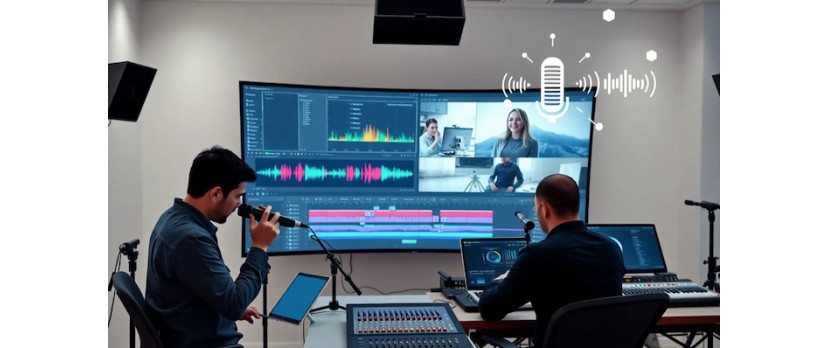
Whether you're a business sharing training content, a teacher expanding resources, or a creator pushing content to international social media platforms, knowing how to dub video in another language effectively is more important than ever. Dubbing is much more than just adding subtitles, it means fully adapting your videos with natural-sounding voiceovers to engage viewers in their native language.
This article unpacks why choosing the right video dubbing tool matters for quality and reach, explains what features to look for, and highlights the leading solutions for 2025, including the well-known Vozo AI platform. If you're searching for clear answers and effective recommendations on multilingual video dubbing, you're in the right place.
Key Takeaways
Choosing the right tool to dub video in another language is essential for authentic, engaging, and culturally appropriate content.
AI-powered dubbing platforms like Vozo AI now offer fast, scalable, and high-quality multilingual dubbing for businesses and creators.
Key features to look for in video dubbing tools include voice naturalness, language range, editing flexibility, and data security.
Professional dubbing tools enable brands to expand reach and boost engagement by providing native-language voiceovers across markets.
2025 trends in video dubbing tools feature hyper-realistic synthetic voices, automated lip-syncing, and seamless team collaboration.
Why Choose the Right Tool to Dub Video in Another Language
Selecting the proper tool to dub video in another language ensures that translated content sounds authentic and is culturally appropriate. A low-quality dub can sound robotic, lose key context, or even confuse viewers with awkward translations. For content creators, marketers, educators, and businesses, the choice of dubbing tool directly impacts engagement, learning, brand image, and even compliance requirements (especially for training and education sectors). The right tool uses advanced voice synthesis, accurate speech timing, and smooth lip-syncing where needed, so your message connects with your audience, no matter their native tongue.
Types of Video Dubbing Tools Available
Video dubbing tools fall into two main categories:
AI-powered platforms: These use neural text-to-speech and deep learning to generate natural-sounding voiceovers, translate scripts, and sometimes sync lip movements automatically. Platforms like Vozo AI, Deepdub, and Lovo AI use these technologies.
Manual dubbing solutions: These involve recording new voiceovers in a studio, then syncing them with the original video manually. Some tools offer hybrid solutions, allowing you to edit or mix AI and human voices for more personalization.
Today, many top-tier platforms blend these two approaches so creators can choose full automation, professional human review, or a mix depending on the project.
Benefits and Considerations of Professional Video Dubbing Tools
Professional video dubbing tools offer several distinct benefits:
Efficiency: Turnaround times are much faster with AI tools compared to manual dubbing, sometimes minutes instead of weeks.
Consistency: Neural text-to-speech keeps tone and pronunciation consistent across hours of content.
Language Range: Many AI dubbing services, including Vozo AI, support dozens (sometimes over a hundred) languages and dialects.
Scalability: Large projects, like ecommerce catalogs or multilingual educational resources, become manageable.
But, consider the following before choosing a tool:
Voice Naturalness: Not all AI-generated voices sound likewise human. Choosing a platform known for natural audio is crucial.
Editing Flexibility: It's important to have options for script adjustment, timing tweaks, and pronunciation corrections.
Data Security: Make sure the provider protects your video and language data, especially if content is sensitive.
Cost: Subscription models and per-minute fees differ widely across platforms.
How to Choose the Right Tool to Dub Video in Another Language
Start by matching the dubbing tool to your main needs. If you need many languages fast and on a budget, an AI-based platform offers speed and efficiency. For highly emotional video or branded content, look for tools offering custom voice options or a blend of AI and human review.
Also, think about your workflow: Do you need to process hundreds of videos in bulk, or customize each one? Do you need automatic lip-sync for on-camera presenters, or just voice replacement for animation or screencasts? Check if the tool integrates with your existing video editing platform, and whether it allows you to preview, revise, and export in the formats you use most.
What Should I Look for in a Video Dubbing Tool?
When evaluating a video dubbing tool, look for these key features:
Language and dialect support covering your target regions
Voice quality and variety, including neural TTS, gender options, and accents
Customization, allowing for script editing, pronunciation tweaks, and voice cloning if needed
Accuracy of translation, prefer tools with context-sensitive AI translation, which Vozo AI provides
Lip-sync or audio-sync capability for videos featuring on-screen speakers
Bulk processing for social media managers or businesses with large video libraries
Collaboration features, supporting team review and feedback
Data security and compliance
Prioritize tools with user-friendly dashboards and responsive customer support.
Top 5 Tools to Dub Video in Another Language 2025
1. Vozo AI
Vozo AI has quickly become a top pick for creators and businesses needing accurate, scalable, and high-quality multilingual dubbing. It employs advanced neural text-to-speech for lifelike voices, supports 75+ languages, and offers automatic lip-sync so dubbed speech matches on-screen speakers. Unique features like instant voice cloning, script translation, team collaboration, and seamless integration with editing workflows set Vozo apart. Whether for product videos, online courses, YouTube, or e-commerce content, Vozo allows easy preview, quick edits, and reliable exports with humanlike quality.
2. Descript
Descript is a favored option among podcasters and video teams. Its Overdub feature lets users create custom AI voices, and the platform integrates video editing with dubbing for a streamlined process. Translation accuracy is strong, and it makes script tweaks simple. Descript's tools work well for both short and long-form videos. But, the number of supported languages is smaller than specialized dubbing platforms like Vozo.
3. Dubbing.ai
Dubbing.ai specializes in fast turnaround and accessible pricing, ideal for creators rolling out multilingual content regularly. Its AI-generated voices cover major international languages, and it offers straightforward workflows for voice replacement and translation. Though it lacks advanced lip-sync and voice cloning found in more premium tools, it's reliable for general explainer and demo videos.
4. LOVO.AI
LoVO AI emphasizes a diverse bank of neural voices and supports several emotional tones, making it a strong choice for marketing, education, or entertainment with expressive dubbing needs. It also allows voice cloning and offers an API for automation. While LoVO covers dozens of languages, its best results come when users spend time fine-tuning voices and scripts.
5. Deepdub
Deepdub combines sophisticated AI translation with voice synthesis and automated lip-sync. It is used often in media localization, TV, film, and online streaming. Deepdub's specialization is in larger-scale dubbing with broadcast-level quality. Its interface is best suited for industry professionals or teams working on demanding projects.
How Long Does It Take to Dub a Video in Another Language?
Timelines for dubbing depend on the tool and the complexity of the video. AI-driven services like Vozo AI can process and dub a typical 5-minute video in as little as 10-15 minutes, including translation, voiceover generation, and export. This is a major improvement over traditional studio dubbing, which can take days or weeks. For longer videos, turnaround may be hours rather than weeks. Projects requiring human voice review or large-scale lip-sync may add some time, but overall, AI tools have made multilingual video adaptation much faster and more cost-effective.
Is It Worth Using a Professional Video Dubbing Tool?
For nearly any business or creator meeting international audiences, using a professional dubbing tool is now a smart investment. The improved audio quality, consistent translation, and drastically reduced production time justify the cost. AI-powered dubbing, as provided by Vozo AI and other leaders, has made it feasible to produce multilingual content at scale, even on a tight budget. While manual options might still suit projects needing unique creative voices, most everyday marketing, product, or educational videos see much higher ROI with a dedicated tool.
What Are the Benefits of Using a Video Dubbing Tool?
Here's how professional dubbing tools are transforming content production:
Expand reach: Multilingual dubbing lets brands reach previously inaccessible markets
Boost engagement: Native-language voiceovers keep viewers involved longer than subtitles alone
Scale faster: AI dubbing tools like Vozo AI reduce the time and expense of localization
Centralize workflow: Many platforms integrate translation, voice synthesis, and export, saving hours per project
Improve accessibility: Offering content in multiple languages opens access to diverse user groups, supporting inclusivity
The result is a flexible, efficient approach to multilingual video that grows with your needs.
Latest Trends in Video Dubbing Tools 2025
In 2025, the market for video dubbing tools is shaped by three main trends:
Hyper-realistic synthetic voices: Cutting-edge neural TTS now produces highly believable speech in dozens of languages, with growing support for emotional nuance.
Automated lip-syncing: Next-gen AI (including Vozo AI) can automatically synchronize dubbed audio with mouth movements for on-screen presenters, which is key for sales, education, and social media videos.
Team collaboration and workflow integration: Modern tools are adopting cloud-based platforms that allow multiple users to review and edit projects at once, making large multilingual campaigns much easier to manage.
More providers are also adding self-serve APIs for bulk translation and voiceover. As demand for global content explodes, expect AI-powered dubbing quality to keep getting better, and turnaround times to keep shrinking.
Frequently Asked Questions About Dubbing Videos in Another Language (2025)
What are the top tools to dub video in another language for 2025?
The leading tools for dubbing video in another language in 2025 include Vozo AI, Descript, Dubbing.ai, LoVO AI, and Deepdub. These platforms offer advanced features such as neural text-to-speech, multi-language support, voice cloning, and automated lip-sync functionality.
How do AI-powered video dubbing tools improve efficiency for creators?
AI-powered video dubbing tools like Vozo AI and Dubbing.ai significantly reduce production times, sometimes processing five-minute videos in under 15 minutes. This rapid turnaround empowers creators and businesses to localize content for global audiences much faster than traditional manual dubbing methods.
What key features should I look for in a video dubbing tool?
Look for tools with broad language and dialect support, natural-sounding neural voices, script editing and pronunciation control, accurate translations, automatic lip-sync, collaboration features, and strong data security. These features ensure authentic and effective multilingual dubbing.
Is using subtitles the same as dubbing video in another language?
No. While subtitles display translated text, dubbing video in another language involves replacing or overlaying the original audio with native-language voiceovers. Dubbing makes the experience more immersive and accessible, especially for audiences who prefer audio content in their native tongue.
Do video dubbing tools work for all types of content?
Most modern dubbing platforms support a wide range of content types, including marketing videos, e-learning, entertainment, and social media clips. However, the best tool for your project will depend on your workflow needs, language coverage, and whether you require features like lip-sync or custom voices.
Can video dubbing tools handle bulk projects for businesses?
Yes, many top dubbing tools, such as Vozo AI and Deepdub, are designed for scalability and allow for bulk processing. This makes them ideal for businesses, agencies, and organizations managing large volumes of video across multiple languages.



Login and write down your comment.
Login my OpenCart Account