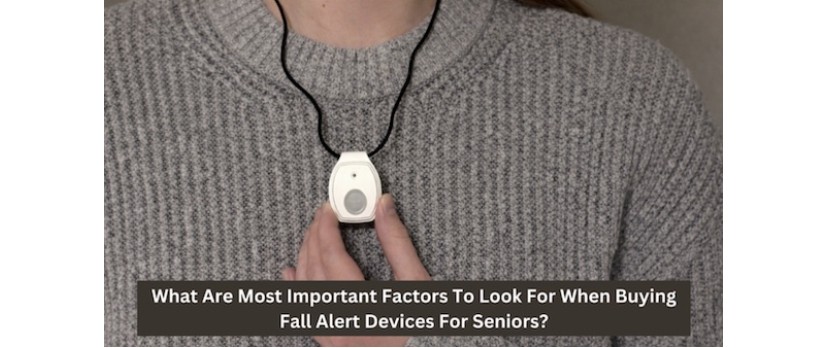
As an eCommerce store owner, stocking fall alert devices for seniors means understanding what your customers actually care about. Families and caregivers aren't just browsing they're making urgent, emotionally charged decisions. Knowing what drives those decisions helps you choose better products, write clearer listings, and earn repeat customers.
Here are the key factors that matter most.
1. Reliable Fall Detection Technology
The first question every buyer asks is simple: will it detect a fall when it counts? Not all fall alert devices for seniors use the same technology, and that difference has a direct impact on how well a product actually performs.
Manual devices require the user to press a button which isn't always possible after a serious fall. Automatic fall detection, using accelerometers and motion sensors, is what informed buyers look for. Good systems analyze movement, impact force, and body position to tell the difference between a stumble and a real fall.
When listing these products, be upfront about whether fall detection is included in the base plan or sold as a paid add-on. Hiding that detail in checkout loses trust fast.
2. What Happens After a Fall Is Also Very Important

Detection is only half the picture. What happens after a fall is also very important to your customers, and it should be important to you too when evaluating which products to carry.
A quality device connects the user to a live monitoring center that operates 24/7. When an alert is triggered, a trained operator communicates directly with the wearer and dispatches help as needed. Your product listings should answer the key questions buyers have: How fast does someone respond? Can family members be notified? Does coverage extend across different regions?
Products that answer these questions clearly convert better because buyers feel confident before they purchase.
3. In-Home vs. Mobile GPS Coverage
Coverage type is one of the first filters buyers use when comparing products, and it's tied directly to the senior's lifestyle.
In-home systems work through a base unit connected to a landline or cellular network. They're reliable within a set range and are a good fit for seniors who spend most of their time at home. Mobile systems, on the other hand, use built-in GPS and cellular technology to allow the monitoring center to locate the wearer anywhere with cellular coverage.
If the senior in question drives, goes for walks, or travels, a device with built-in GPS is the right recommendation. Structuring your store with clear "home use" and "on-the-go" categories helps buyers self-select and reduces returns.
4. Two-Way Voice Communication

A fall alert device should do more than send a signal. Two-way voice communication allows the monitoring center to speak directly with the wearer, confirm what's happening, and send the right response.
Modern mobile devices include a microphone and speaker built into the wearable itself, so the user doesn't need to move toward a base unit. Audio clarity matters especially for seniors with hearing difficulties if a product delivers on this, it's worth calling out in your listing copy.
5. Comfort and Wearability
A device that stays in a drawer doesn't protect anyone. Buyers know this, and they pay close attention to how comfortable and discreet a product looks. Weight, design, and water resistance all factor into whether a senior will wear the device consistently.
When writing product descriptions, address wearability directly. Reassure buyers that the device is lightweight enough for all-day use and durable enough for everyday situations.
6. Transparent Pricing
Hidden fees are one of the top reasons buyers abandon carts or leave negative reviews. Fall alert devices often come with monthly monitoring fees, and buyers want to know the full picture before committing.
Show the device cost, the monitoring plan price, and any optional add-ons in one clear place. Stores that present pricing honestly build more trust and generate more long-term customers.
The Bottom Line
When you understand what buyers are actually evaluating detection reliability, monitoring quality, coverage type, communication clarity, wearability, and pricing transparency you can stock and market fall alert devices for seniors with much more confidence. The right product, clearly presented, is what turns a first-time visitor into a loyal customer.



Login and write down your comment.
Login my OpenCart Account