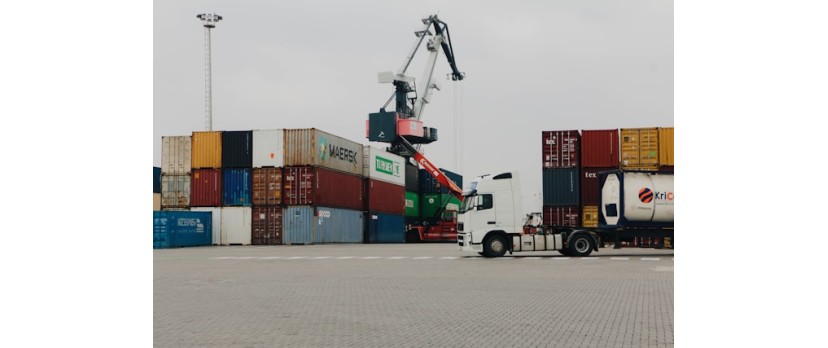
Are you leveraging the most cost-effective route when bringing products to consumers?
Run a supply chain cost audit to see where you're losing the most money. You may be paying high fuel costs or losing valuable time due to port congestion. Frequent equipment and vehicle shortages may be holding up the show.
These are your cues to look into transloading.
Transloading optimizes efficiency and reduces costs by leveraging various modes of transportation to transfer retail shipments. Switching to a new mode mid-journey allows for faster deliveries and more cost-effective routes, avoiding high per diem charges along the way.
Here's a closer look at the transloading process, including cross-docking comparisons, intermodal freight, and the advantages for retailers.
How Does Transloading Work?
When freight is transferred from one mode of transportation to another, such as a cargo boat to a flatbed truck, the transfer occurs at a specialized terminal or warehouse.
This strategy can save retailers considerably on international shipping costs. Without transloading, global supply chains must rely on port-to-port travel, resulting in long wait times due to congestion and high cargo-holding fees. The longer freight lingers at a port, the higher the per diem charges; the same applies to rail yards.
What Is the Difference Between Transloading and Cross-Docking?
Transloading is often confused with cross-docking, as both processes involve the moving of goods between commercial vehicles at warehouses.
However, cross-docking is commonly used for immediate delivery needs, with little to no storage requirements. It generally involves the same mode of transportation, such as transferring goods between inbound trucks and outbound trucks. Its primary focus is speed of delivery.
Transloading requires more intensive freight handling compared to cross-docking, including re-palletizing, goods sorting by SKU numbers, and converting international shipments into domestic shipping formats. While delivery speed is a factor, transloading offers more logistical benefits that improve cost management and operational efficiency.
Intermodal Transportation
Similar to transloading, intermodal transportation involves the transfer of goods between multiple modes of transportation, such as rail cars to trucks. However, the shipping container remains sealed at all times, which means there is no freight handling.
Since containers remain sealed, trucking and logistics companies can offer greater security through intermodal transportation. It's often used for drayage operations, which are short-distance trucking routes. Cargo that must travel over 750 miles to its end destination can switch over to intermodal transportation, saving costs and resources.
Transloading Use Cases
One transloading use case is ocean-to-rail transport.
In this example, shipping containers are transported from a port to a nearby facility for emptying and sorting. The goods are then moved into railcars for the next leg of the route. This scenario is commonly seen in transloading routes from the West Coast to the Midwest, resulting in greater train fuel efficiency.
In a rail-to-truck scenario, bulk goods may arrive in large boxcars before being transferred to trucks for the final route. This combination is crucial for reaching destinations that lack dead-end rail tracks (spurs) for unloading freight.
Transloading is also used in oversized freight shipping.
For instance, out-of-gauge (OOG) cargo like heavy machinery must be transferred to specialized flatbeds that can handle OOG shipments. Lowboy trailers are necessary for transloading to road transportation. Specialized terminals for OOG freight have heavy-lift cranes ready for transloading.
How Retailers Benefit from Transloading
Transloading allows retailers to leverage the three-for-two rule to save considerable resources.
For instance, international ocean containers are generally 40 feet long while domestic trailers are 53 feet long. Retailers can use transloading to consolidate three ocean shipping containers into two domestic shipping trailers. A retailer can save up to 33% in costs incurred by labor, equipment leasing, and fuel.
Transloading ensures port freight doesn't use up its allotted free time before incurring costly detention fees for every day it's held at port. Some fees can snowball into thousands of dollars.
Instead, retailers can empty an ocean container and transfer the contents to a truck at a nearby facility. This means no detention fees and no disruptions in the supply chain.
Transloading also allows for more efficient resource allocation for retailers.
Rather than shipping massive product loads to a central location, retailers can ship goods to smaller transload facilities located near the stores themselves. Retailers can send goods that individual stores need most based on sales data. As a result, retailers save even more on long-term warehousing.
Retailers who sell seasonal goods often deal with port congestion that can tie up the supply chain, especially during the holidays. Transloading keeps the seasonal supply chain moving along by quickly transferring goods to trucks.
Bring Transloading Into Your Logistics Strategy
Go ahead and crunch those numbers. It won't be long before you start coordinating transloading with a trusted logistics company.
Cost savings are just one advantage. You (and your customers) enjoy a smoother supply chain and even greater security with the help of intermodal transportation.
Transloading is part of a comprehensive logistics strategy for retailers. Follow our blog to discover even more actionable steps you can take to lower costs, streamline delivery, and delight customers.



Login and write down your comment.
Login my OpenCart Account